For coastal communities across Long Island, preparing for the changing seasons means more than just clearing gutters and storing patio furniture. Between summer’s tropical storm threats and winter’s brutal nor’easters, our local electrical infrastructure faces an annual gauntlet of severe weather. When high winds or heavy ice bring down lines, thousands of homes in Nassau and Suffolk Counties are regularly plunged into dark, multi-day blackouts. Relying solely on the traditional grid leaves your household vulnerable to spoiled food, flooded basements from dead sump pumps, and freezing interior temperatures.
While traditional rooftop solar panels are excellent for wiping out your monthly PSEG Long Island electric bills, standard grid-tied solar systems are legally required to shut down completely during a blackout to prevent back-feeding the lines. At Power House Home Energy, we eliminate this vulnerability by integrating next-generation solar battery backup systems into our residential designs, giving you total energy sovereignty when you need it most.
The Backup Battery Advantage: Why It Beats a Gas Generator
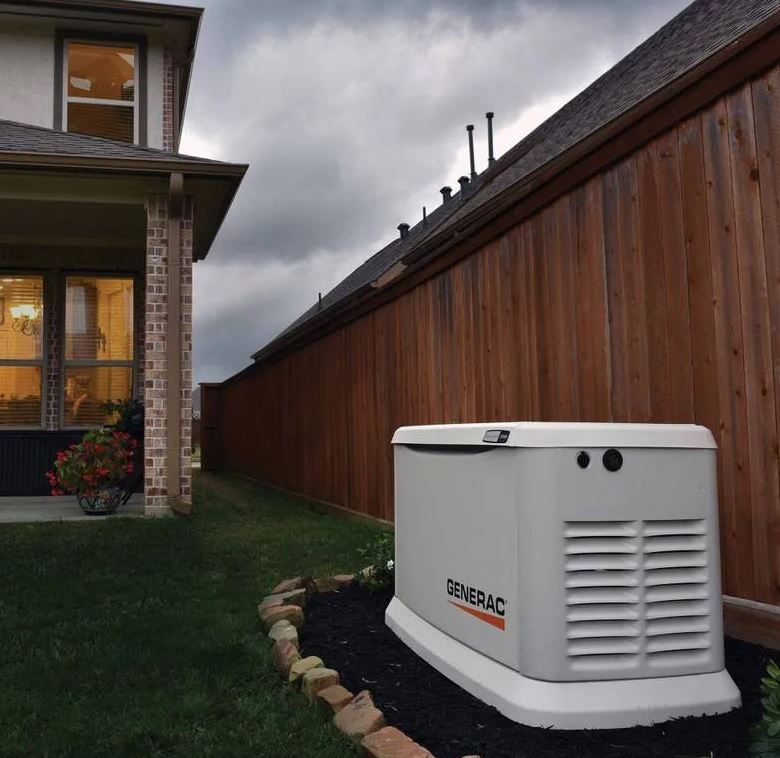
When looking for home standby power, many homeowners naturally consider loud, fuel-burning gas or propane generators. However, pairing clean solar power with modern lithium-iron-phosphate (LFP) battery storage provides a far more efficient, reliable, and maintenance-free mechanical solution:
1. Instantaneous Micro-Grid Transition
When the Long Island grid drops, a standby generator takes anywhere from 10 to 30 seconds to start engine combustion and transfer power. A smart solar battery system, like the Enphase Encharge or Tesla Powerwall, utilizes internal automatic transfer switches that sense a power drop instantly. The system isolates your home’s electrical loop and restores power in milliseconds—so fast your digital clocks won’t even blink.
2. Perpetual Daytime Recharging
A standard backup generator relies on an external fuel source. If a severe coastal storm closes local fuel stations or blocks major roadways, you face a hard operational limit once your fuel tank runs dry. A solar battery system builds a self-sustaining loop: your solar panels power your essential home loads and recharge your batteries during the day, and the batteries quietly sustain your household throughout the night.
3. Daily Utility Cost Mitigation (Peak Shaving)
Generators sit completely idle 99% of the year, providing zero return on your investment until an actual blackout occurs. Solar batteries work for you every single day. Using advanced internal management software, your battery system can engage in “peak shaving”—discharging stored, free solar power into your home during PSEG’s highest evening rate windows, driving your monthly utility expenses to absolute zero.
Smart Management: Defining Your Critical Loads
You don’t necessarily need to invest in a massive, industrial-scale battery bank to protect your family’s daily peace of mind. During our structural site design phase, we work with you to map out your home’s specific electrical layout, routing your most critical structural assets into a dedicated backup sub-panel:
| Essential Emergency Loads | Luxury Comfort Loads |
| Sump Pumps & Well Pumps (Prevents flooding) | Central Air Conditioning Units (High draw) |
| Refrigerators & Deep Freezers (Protects food) | Electric Vehicle (EV) Fast Charging Ports |
| Medical Equipment & CPAP Devices | Hot Tubs, Pool Pumps, & Electric Saunas |
| Home Wi-Fi, Routers, & Phone Charging | Secondary Guest Suite Lighting Circuits |
By isolating your absolute essentials, a single or dual-battery configuration can comfortably sustain your household through extended, multi-day grid blackouts without breaking your project budget.
Maximize Local & Federal Incentives Before the Storms Hit
Transitioning your property to self-sustaining solar backup is heavily subsidized by current tax codes, allowing Long Island homeowners to recoup a massive percentage of their engineering and hardware costs. The Federal Residential Clean Energy Credit allows you to deduct 30% of the entire battery installation cost directly from your federal income taxes—even if you install the battery system completely separate from your panels.
At Power House Home Energy, we walk you through every step of the engineering, structural town permitting, and PSEG net-metering approval processes. Don’t wait until the next major storm leaves your neighborhood in the dark. Protect your household equity, stabilize your daily utility expenses, and secure a clean, quiet source of continuous backup power for your family.
Want to see how easy it is to integrate smart battery storage into your home?
